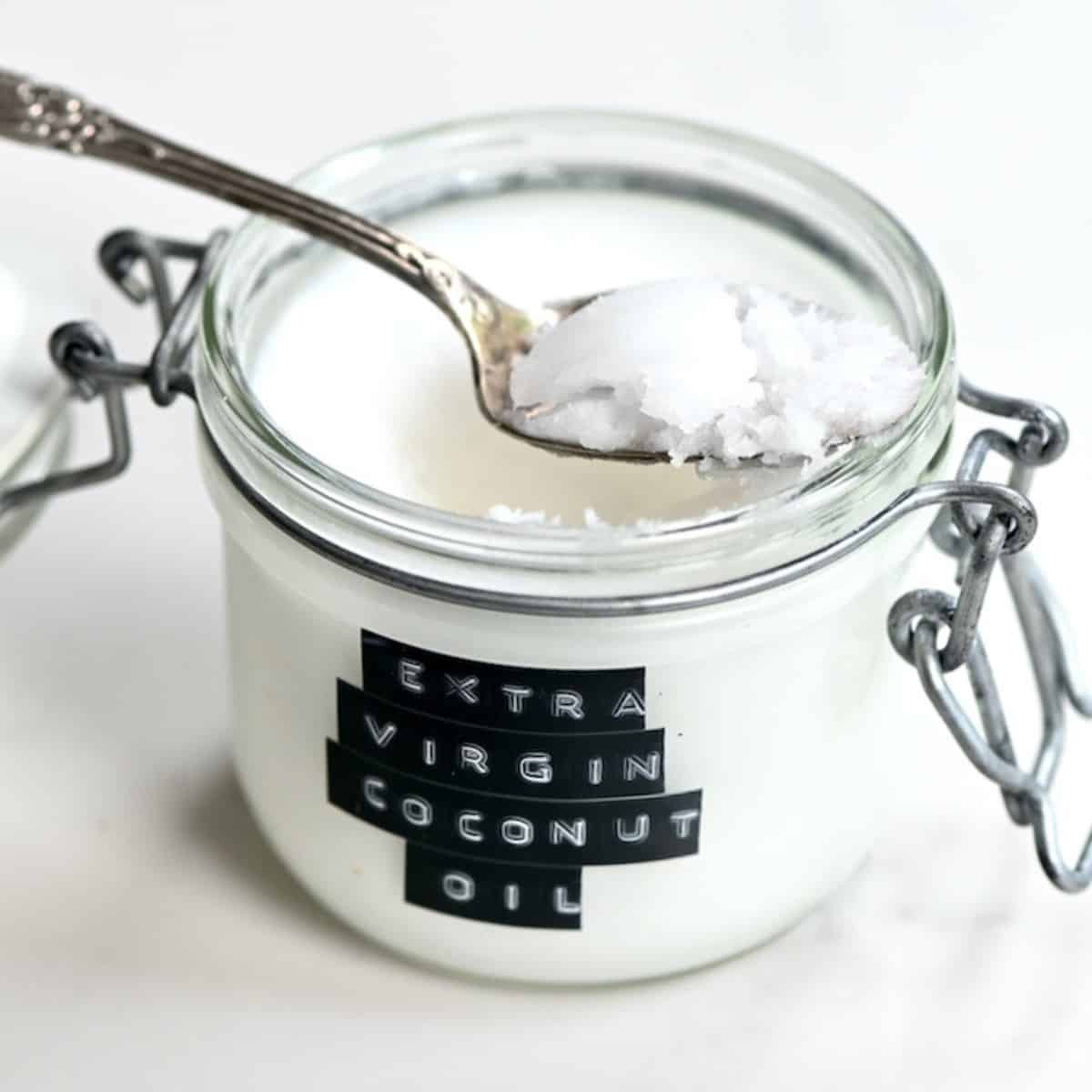
DIY Cold-Pressed Virgin Coconut Oil: Simple, Cost-Effective & Pure
The term "cold-pressed virgin coconut oil" often conjures images of expensive, boutique health products, perhaps featured in high-end wellness articles or whispered about in exclusive spas. It sounds sophisticated, rare, and certainly out of reach for the average home cook. But what if we told you that crafting your own premium, unrefined cold-pressed coconut oil right in your kitchen is not only achievable but surprisingly simple and incredibly cost-effective? Forget the hefty price tags and question marks about sourcing; embracing the art of diy extra virgin coconut oil cold pressed coconut oil empowers you with unparalleled purity and freshness.
This comprehensive guide will demystify the process, distinguishing between various types of coconut oil and providing a foolproof, heat-free method to create your own liquid gold. Get ready to transform fresh coconuts into a versatile, nourishing oil that will elevate your cooking, beauty routine, and overall well-being, all while saving you a significant amount compared to store-bought alternatives.
Demystifying Virgin vs. "Extra Virgin" Cold-Pressed Coconut Oil
Before we dive into the making, let's clear up some common misconceptions surrounding coconut oil terminology. The labels "virgin" and "extra virgin" can be a source of confusion, largely due to their prominence in the olive oil world where they denote distinct quality grades based on acidity and processing. For coconut oil, however, the distinction is less straightforward.
Here’s the honest truth: unlike olive oil, "extra virgin coconut oil" isn't a regulated classification or a truly separate product category. The term is primarily a marketing device. Both "virgin" and "extra virgin" coconut oils are considered *unrefined* and are typically extracted using methods that minimize heat, often referred to as "cold-pressed." The critical factor is the degree of refinement, not an arbitrary "extra" designation.
So, what does "cold-pressed" actually mean for coconut oil? It signifies that the oil has been extracted at temperatures below which its delicate chemical structure, flavor compounds, and nutritional integrity begin to degrade. Generally, coconut oil starts to break down around 50ºC (122ºF). Any extraction process maintained below this threshold can legitimately be labeled cold-pressed, ensuring that beneficial antioxidants and enzymes remain intact. Our diy extra virgin coconut oil cold pressed coconut oil method will adhere strictly to this principle, using a heat-free approach to yield the purest form.
Unrefined vs. Refined Coconut Oil: A Crucial Distinction
The most important differentiation to understand is between *unrefined* and *refined* coconut oil:
- Unrefined (Virgin/Cold-Pressed) Coconut Oil:
- Purity: This is the closest you get to the coconut itself. It's not bleached, deodorized, or exposed to harsh chemicals.
- Source Material: Always made from fresh, mature coconut meat, not dried copra.
- Nutritional Value: Retains its full spectrum of antioxidants, medium-chain triglycerides (MCTs), and natural enzymes. This is largely due to the minimal processing and often cold-pressing method.
- Flavor & Aroma: Possesses a distinct, rich coconut aroma and taste, which is a hallmark of its unadulterated nature.
- Refined Coconut Oil (RBD - Refined, Bleached, Deodorized):
- Processing: Undergoes significant industrial processing, including exposure to high heat, bleaching agents, and deodorizers to remove its natural flavor and aroma.
- Source Material: Often made from dried copra, which is less expensive and easier to transport.
- Nutritional Value: While still a source of MCTs, much of its antioxidant content and some other beneficial compounds are diminished or lost due to the intense processing.
- Flavor & Aroma: Typically has a neutral flavor and no coconut scent, making it suitable for high-heat cooking where coconut flavor isn't desired.
The bottom line is simple: when it comes to coconut oil, less processing equates to higher quality and greater nutritional benefits. Our homemade approach embodies this philosophy, aiming to produce the most authentic, nutrient-rich oil possible. For a deeper dive into the labeling and quality of coconut oil, read our article: Extra Virgin Coconut Oil: The Truth Behind The Label & Homemade Quality.
Why Go DIY for Your Coconut Oil? Unlocking Purity and Savings
The allure of making your own cold pressed coconut oil at home extends far beyond a simple kitchen project. It's a journey into quality, transparency, and incredible value:
- Unbeatable Cost-Effectiveness: Premium cold-pressed virgin coconut oil can be quite expensive in stores, especially for larger quantities. By contrast, the raw material—fresh coconuts—is remarkably affordable. The initial effort quickly pays off, yielding a significantly cheaper product ounce for ounce than its retail counterparts.
- Guaranteed Purity and Control: When you make it yourself, you control every single step. There are no hidden additives, no questionable solvents, no preservatives, and no industrial processing you can't verify. You start with one ingredient – a fresh coconut – and end with pure oil. This level of transparency is simply unmatched by even the best store-bought options.
- Exceptional Freshness and Flavor: The aroma and taste of freshly extracted virgin coconut oil are unparalleled. It has a vibrant, natural coconut essence that enhances dishes and truly invigorates your senses. Store-bought oils, no matter how good, have often traveled great distances and sat on shelves, diminishing some of their aromatic potency.
- Maximized Nutritional Value: Our heat-free, cold-pressed approach ensures that the delicate antioxidants, essential fatty acids (like lauric acid), and other beneficial compounds found in coconut are preserved. Industrial processing, even "virgin" methods, can sometimes involve minimal heat, but a true DIY cold-pressed method is the gentlest way to maintain maximum nutrient integrity.
- Empowerment and Satisfaction: There's immense satisfaction in creating something so pure and beneficial with your own hands. It connects you to your food and ingredients in a meaningful way, fostering a sense of accomplishment and self-sufficiency.
- Eco-Friendly Potential: By making your own, you can significantly reduce packaging waste associated with store-bought oils, contributing to a more sustainable lifestyle.
Your Step-by-Step Guide to DIY Cold-Pressed Virgin Coconut Oil (Heat-Free Method)
This heat-free method relies on natural fermentation to separate the oil, resulting in pure, diy extra virgin coconut oil cold pressed coconut oil without any cooking.
What You'll Need:
- Fresh, Mature Coconuts: Choose coconuts that feel heavy for their size and sound full of water when shaken. Avoid those with cracks or mold. You'll typically need 2-3 coconuts for a decent yield of oil.
- Equipment:
- Food processor, high-speed blender, or a juicer (a juicer, especially one designed for fibrous ingredients, can be faster and yield more cream, but a food processor is more accessible).
- Large mixing bowls.
- Fine-mesh sieve or cheesecloth/nut milk bag.
- Clean glass jars or containers for fermentation.
- A spoon or ladle for skimming.
- Water: Clean, filtered water.
Step 1: Preparing Your Coconut Cream
- Crack the Coconuts: This is arguably the trickiest part for beginners. A common method involves finding the "soft eyes" on one end and puncturing them to drain the water. Then, using a hammer, tap firmly along the equator of the coconut, rotating it until it cracks open. Carefully pry the meat from the shell.
- Grate or Blend the Meat: Wash the coconut meat and chop it into smaller pieces.
- Food Processor/Blender Method: Place the coconut meat in your appliance. Add warm (not hot!) water – roughly 1-2 cups per coconut, or enough to just cover the meat. Blend until the mixture is finely grated and the liquid appears milky.
- Juicer Method: If using a juicer, you may not need to add water upfront. Feed the coconut meat through the juicer according to its instructions. The juicer will separate the coconut milk from the pulp directly, often yielding a richer cream.
- Extract the Coconut Cream: Pour the blended or juiced coconut mixture into a fine-mesh sieve lined with cheesecloth (or use a nut milk bag) placed over a large bowl. Squeeze firmly to extract all the liquid – this is your raw coconut cream. The remaining pulp can be dried and used as coconut flour or added to smoothies.
Step 2: The Fermentation Process
- Transfer to Container: Pour the freshly extracted coconut cream into a clean glass jar or container. Ensure it's not completely full, as the mixture will separate.
- Cover and Wait: Cover the container loosely with a lid, cheesecloth, or a clean cloth to allow air circulation but prevent contaminants. Place it in a cool, dark spot at room temperature (ideally between 70-80°F or 21-27°C).
- Observe the Magic (24-48 Hours): Over the next 24 to 48 hours, you'll observe a natural separation. The coconut cream will divide into three distinct layers:
- A thick, white, solid curd will form on top.
- Below the curd, a clear, yellowish layer of pure coconut oil will emerge.
- At the very bottom, a clear watery layer (whey) will collect.
Step 3: Separating the Golden Oil
- Careful Extraction: Once the layers are clearly defined, carefully scoop out the top layer of solid curd using a spoon or ladle. Discard it or compost it.
- Collect the Oil: You will now see a beautiful, clear layer of cold pressed coconut oil. Carefully ladle this oil into a clean, dry glass jar. Be gentle to avoid mixing it with the bottom watery layer. If you have a syringe or turkey baster, you can also use that to siphon off the oil with precision.
- Optional Filtering: For extra purity and clarity, you can strain the collected oil through a new piece of fine cheesecloth or coffee filter into another clean jar.
- Discard Remaining Water: The clear water at the bottom should be discarded.
Tips for Success:
- Patience is Key: Don't rush the fermentation. Allow adequate time for clear separation.
- Hygiene Matters: Ensure all your equipment, especially the fermentation containers, are spotlessly clean to prevent unwanted microbial growth.
- Avoid Disturbance: Once the cream is fermenting, try not to move or shake the container, as this can disrupt the layering process.
With these steps, you've successfully created your own pure, unrefined diy extra virgin coconut oil cold pressed coconut oil. For more detailed instructions and alternative methods, be sure to check out Craft Your Own Unrefined Cold-Pressed Coconut Oil at Home Easily.
Maximizing Your Homemade Virgin Coconut Oil: Uses & Storage
Now that you've got your precious homemade oil, it's time to put it to good use! Its purity and rich nutrient profile make it incredibly versatile.
Culinary Uses:
- Flavorful Cooking & Baking: Use it for sautéing vegetables, adding a tropical twist to stir-fries, or in baking recipes that complement its natural coconut flavor. Remember, virgin coconut oil has a lower smoke point than refined versions, so it's best for medium-low heat cooking.
- Smoothie Booster: Add a spoonful to your morning smoothie for a boost of healthy fats and sustained energy.
- Nutrient-Rich Dressings: Whisk it into homemade salad dressings or use it as a base for marinades.
- Coffee & Tea Enhancer: A teaspoon melted into your coffee or tea provides a creamy texture and a subtle, delightful aroma.
Beauty & Wellness Uses:
- Ultimate Moisturizer: Apply directly to skin as a natural, deeply hydrating moisturizer for face and body. It's excellent for dry patches, elbows, and heels.
- Hair Conditioner & Mask: Massage into hair and scalp as a pre-shampoo treatment or leave-in conditioner for shine, strength, and frizz control.
- Gentle Makeup Remover: Effectively dissolves even waterproof makeup, leaving your skin soft and nourished.
- Oil Pulling: Swish a tablespoon in your mouth for 10-20 minutes daily for oral hygiene benefits.
- Massage Oil: Its smooth texture and pleasant scent make it an ideal natural massage oil.
- Natural Deodorant Ingredient: A common base for homemade natural deodorants due to its antibacterial properties.
Storage:
Store your homemade virgin coconut oil in a clean, airtight glass jar in a cool, dark place away from direct sunlight. It will naturally solidify at temperatures below 76°F (24°C) and become liquid above it. This is perfectly normal and does not affect its quality. Properly stored, your DIY cold-pressed virgin coconut oil can last for several months to a year, maintaining its freshness and potency.
Conclusion
Embarking on the journey to make your own diy extra virgin coconut oil cold pressed coconut oil is a profoundly rewarding experience. It's a testament to the power of simplicity, offering a pure, potent product that far surpasses the quality and value of many store-bought alternatives. By understanding the true meaning of "cold-pressed" and embracing a heat-free, natural fermentation process, you gain complete control over the purity and nutritional integrity of your coconut oil.
So, shed the notion that premium health products must come with a premium price tag. With just a few fresh coconuts and a little patience, you can unlock the magic of homemade virgin coconut oil—a versatile, cost-effective, and incredibly pure staple for your kitchen and beauty routine. Give it a try; your body, your wallet, and your taste buds will thank you.
